
Why Dermatologists Won’t Stop Talking About Sun cream
“If you locked yourself in a room with a dermatologist to find out the secret of skincare, they would tell you to stay locked in the room and avoid the sun”
No matter where you are on the globe you are a victim of sun exposure. Since the earliest civilizations humans have recognised the need to protect themselves from it. The ancient Greeks used olive oil, the Egyptians used rice bran, and the ancient Indians covered wounds with zinc oxide. The modern world has far more products that are more accessible, yet regular SPF use remains uncommon in the UK.
"But Dr Ammar, surely you don't expect me to wear sun cream in the UK?"
I understand the objection. We spend much of the year under grey skies wondering whether summer has been cancelled. However, clouds do not block all ultraviolet (UV) radiation. Even on overcast days, UV rays can reach your skin and contribute to skin ageing and skin cancer over time.
In fact, it is common for UK residents to only wear SPF when they go to beach holidays. Unfortunately, UV rays are not selective, whether you are on a sunny beach in Turkey or sitting under the gloomy clouds in Bolton, they are the same UV rays that accelerate ageing and increase the risk of skin cancer
What the Sun Does to Your Skin
Just a little bit of science first. There are two types of UV radiation that mainly concern our skin, UVA and UVB. UVA has a longer wavelength and therefore penetrates deeper into the skin, whereas UVB is shorter and primarily affects the outer layers of the skin. Due to these characteristics, UVB mostly causes erythema (sunburn), while UVA is a major contributor to photo-ageing, including wrinkles, pigmentation, and loss of skin elasticity. Both UVA and UVB can damage DNA and increase the risk of skin cancer. Additionally UVA can penetrate cloud cover and window glass more effectively than UVB, so it makes up around 95% of the UV radiation reaching the Earth’s surface.
Your skin naturally protects itself from the sun by producing melanin, a pigment produced by cells in your skin called melanocytes. There are also two types of melanin, phaeomelanin, which is lighter in colour, and eumelanin which is darker. Eumelanin is more effective at sun protection and the reason your skin will tan, or why some people naturally have darker skin. Even if you are a darker skin type your skin still needs the additional protection from the sun.
When we talk about SPF, we are measuring the protection from sunburn. The number is a factor of how much more UV radiation is needed to get sunburn in laboratory conditions, compared to not wearing sun protection. So SPF30 means you need 30 times the amount of UV radiation to get sunburn (based on applying a specific amount), and SPF50 means 50 times more UV radiation is needed.
If you were paying attention to the above, you might have realised two things:
SPF measures protection from UVB sunburn, not UVA photo-ageing
UVA will reach your skin throughout the year
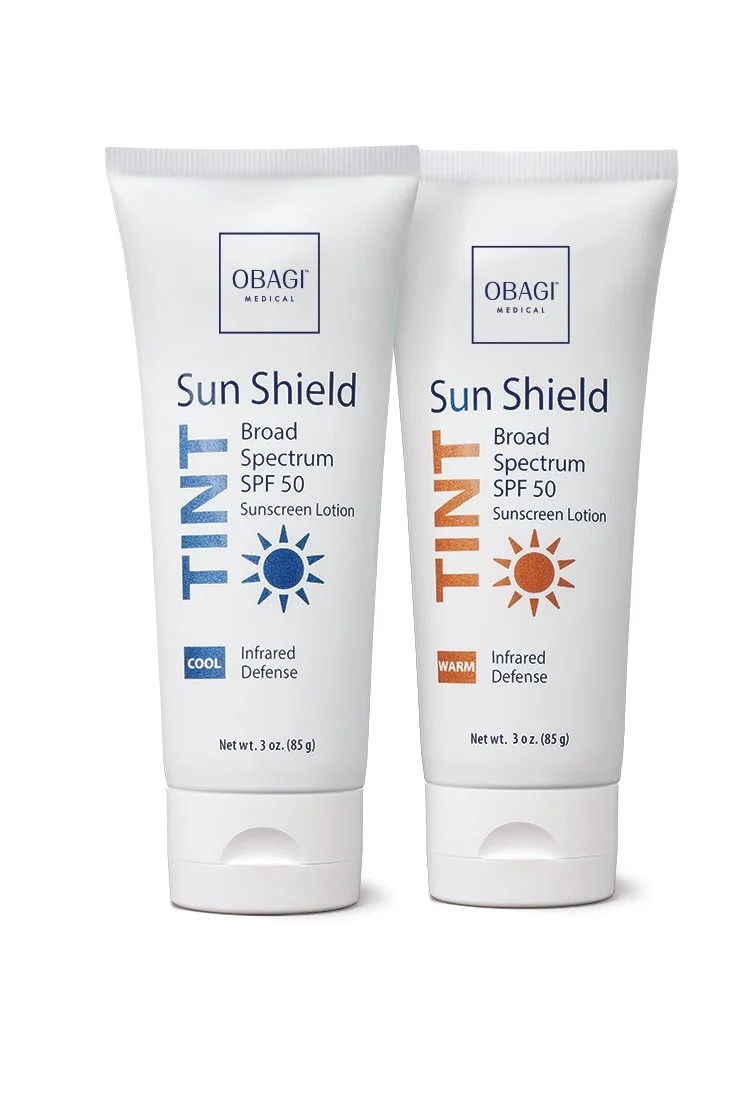
This is why Dermatologists recommend wearing a broad-spectrum SPF daily, even in the UK. Broad spectrum SPF means it protects against UVA and UVB.
How Do We Protect Ourselves From UVA?
Not to worry. Many sunscreens also provide strong protection against UVA. In some countries this is measured using the PA rating system, which you may see on the bottle:
PA+: Some UVA protection
PA++: Moderate UVA protection
PA+++: High UVA protection
PA++++: Extremely high UVA protection
In the UK, you may also see a UVA logo or star rating system. Whatever sunscreen you choose, look for one labelled broad-spectrum to ensure protection against both UVA and UVB.
The Benefits of Wearing Sun Protection
Protecting yourself from skin cancer is enough reason to be wearing sun cream. Hopefully I have convinced you that your skin needs daily protection from the sun, no matter what the weather and what your skin type is.
Afterall, nothing will treat an issue better than preventing it in the first place. Quite simply, sun cream is the best investment you can make for your skin.
It goes without saying, studies have shown that wearing sun cream reduced the risk of melanomas and squamous cell carcinomas (skin cancers) and has shown to slow down the process of ageing.
When we talk about skin at Dr and Skin clinic in Bolton, most of the time our first question is ‘do you wear SPF?’ sadly most of the time our clients say no. After reading this we hope you choose to wear Sun cream every day!